

Cat Gut Health & Digestion
Our gut health and digestion range for cats is built around fresh, simple, meat-based recipes that give the digestive system less to work against.
Cats are obligate carnivores, so diets heavy in grains and fillers can sometimes work against their natural digestion.
A raw diet often helps reduce vomiting, loose stools, and other signs of digestive upset because the ingredients are closer to what a cat's body is designed to process.
You'll find single-protein options, gentle proteins, and items that suit cats with sensitive stomachs.
Pair with items from our full raw cat food collection or add nutrient-rich organs for extra variety.
For multi-pet households, the all products range makes it easy to combine a cat and dog shop in one order alongside our raw for dogs options.



What gut health means for your cat
A cat's gut does more than break down food. It plays a role in immune function, nutrient absorption, and coat condition, which is why gut health is often one of the first places digestive trouble shows up. A balanced gut microbiome helps keep digestion regular and supports the body's natural defences.
Hairballs are also linked to gut health. When digestion is working well, fur swallowed during grooming tends to move through the digestive tract more easily rather than building up.
Cats are prone to under-drinking, and diets low in moisture can add to this. Meals with high moisture content support hydration and give the digestive system less to work against, which is one reason many raw feeders notice better stool quality and coat condition after switching to fresh food.

Signs of digestive trouble in cats
Cats are good at masking discomfort, so digestive issues can be easy to miss until they become regular. Common signs include:
- Frequent vomiting, not just the occasional hairball
- Hairballs that come up often or seem to cause distress
- Loose stools or, at the other end, straining and constipation
- Wind, gurgling, or visible discomfort around mealtimes
- Reduced appetite or eating more slowly than usual
An isolated upset stomach usually isn't cause for concern. But if any of these signs are ongoing, or your cat seems unwell alongside them, it's worth speaking with your vet to rule out an underlying medical cause before making diet changes.

How raw feeding supports your cat's digestion
Cats are obligate carnivores, meaning their digestive systems are built around animal protein rather than grains or plant-based fillers. Diets heavy in carbohydrates can sometimes work against this, asking the gut to process ingredients it isn't well suited to.
Raw cat food is minimally processed, high in moisture, and led by meat, organs, and bone rather than fillers. For cats with sensitive stomachs, this can mean less for the gut to work against and more consistent digestion day to day.
Single-protein and gentle options take this further, using a limited ingredient list to help settle digestion and make it easier to identify what your cat tolerates well.

Prebiotics, Probiotics and Gut-Friendly Foods for Cats
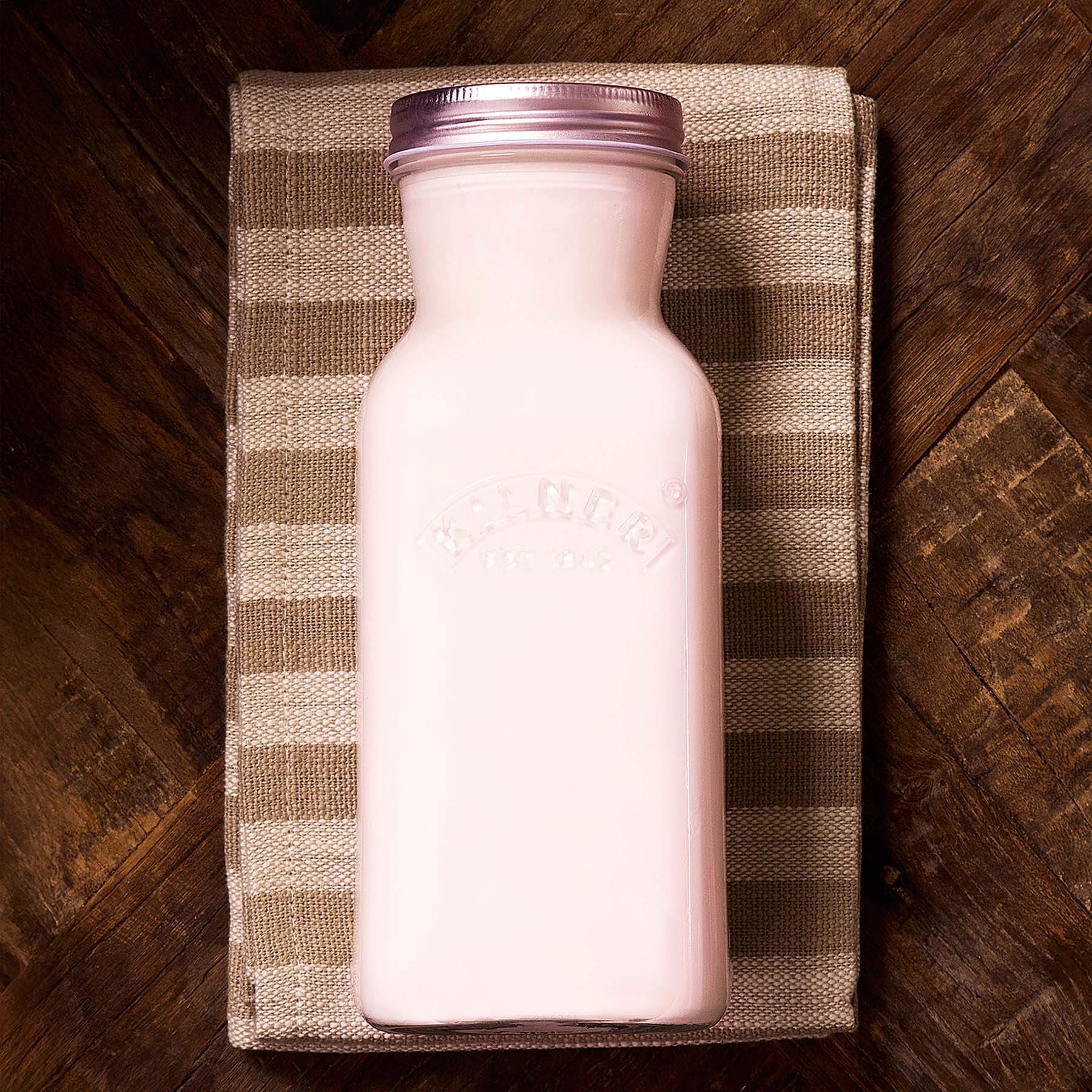
Alongside a raw diet, some foods offer extra support for the gut microbiome. Raw goat milk is naturally rich in probiotics and digestive enzymes, and is lower in lactose than cow's milk, which makes it easier for most cats to tolerate.
Green tripe is another gut-friendly addition. As a fermented, unprocessed part of the digestive tract of grass-fed animals, it naturally contains digestive enzymes and beneficial bacteria that can help support a healthy gut environment.
Both pair well with organs as part of a varied, balanced bowl, giving your cat a broader range of nutrients alongside their core protein.

Choosing Gentle Proteins and Transitioning a Fussy Cat
Some proteins are naturally easier on a cat's stomach. Goat mince is a gentle, hypoallergenic option that's less commonly associated with food sensitivities than proteins like beef or chicken, while duck mince offers a novel protein that can be useful if your cat needs a break from more common triggers. Feeding a single protein at a time, rather than a mixed recipe, also makes it easier to identify what's actually causing an issue if one comes up.
Fussy cats or those with sensitive stomachs usually do best with a slow transition. Start by mixing a small amount of the new food in with their current diet, then gradually increase the ratio over 7 to 14 days, or longer if needed. Rushing the switch is one of the most common reasons a transition doesn't go smoothly.
If you're not sure where to start, our hypoallergenic raw cat food range can help narrow down the right fit for your cat.

When to Speak With Your Vet
Persistent vomiting or diarrhoea, unexplained weight loss, or symptoms that don't settle within a couple of weeks are worth a vet visit. These can sometimes point to an underlying medical cause, such as inflammatory bowel disease (IBD), rather than something diet alone can resolve. A vet can help rule this out before you continue adjusting your cat's food.
Cat Gut Health & Digestion FAQs
Common signs include regular vomiting, diarrhoea, constipation, or visible discomfort around eating. Persistent issues should always be checked by a vet.
Many cats respond well because raw meals are minimally processed and naturally high in moisture, which supports easier digestion.
Rabbit and kangaroo are often well tolerated, as are single-protein recipes that remove common triggers from the bowl.
Many cats show changes in digestion within 1 to 2 weeks of a consistent diet change. Give any new diet at least a few weeks before assessing results.
A balanced raw diet meets most of a cat's nutritional needs. Some cats benefit from added probiotics, particularly after illness or antibiotics.


