

Quail eggs are a nutrient-dense, species-appropriate addition to raw feeding plans. Despite their small size, they offer a concentrated source of essential vitamins, minerals, and healthy fats - making them ideal for pets needing dietary enrichment, micronutrient support, or gentle supplementation. Their soft shells and digestible structure also make them suitable for whole feeding, contributing to calcium intake and oral stimulation.
Key Nutritional Benefits
Rich in fat-soluble vitamins
Quail eggs contain vitamins A, D, and E, which support vision, immune function, skin health, and antioxidant defence. These nutrients are especially important in raw diets where fat-soluble vitamin balance must be carefully managed.
Source of B vitamins
Including B2 (riboflavin), B12 and folate, which contribute to energy metabolism, neurological health, and red blood cell formation. These water-soluble vitamins must be supplied regularly and are well represented in quail eggs.
High in bioavailable protein
Quail eggs offer complete protein with all essential amino acids, supporting muscle maintenance, tissue repair and immune resilience. Their digestibility makes them suitable for pets with sensitive stomachs.
Contains healthy fats and cholesterol
The yolk provides essential fatty acids and cholesterol, which play roles in hormone production, cell membrane integrity and brain function. These fats also aid in the absorption of fat-soluble vitamins.
Natural source of selenium and iron
Selenium supports antioxidant activity and thyroid regulation, while iron contributes to oxygen transport and energy production. These trace minerals are critical for vitality and recovery.

Quail Egg Yolks and Hairball Control in Cats
Quail egg yolks offer a gentle, nutrient-rich tool in managing hairballs in cats. Their natural fat content and emulsifying properties help lubricate the digestive tract, supporting smoother passage of ingested fur. Rich in lecithin and essential fatty acids, yolks can aid in breaking down hair accumulations and reducing the frequency of regurgitated hairballs.
Additionally, the yolk’s contribution to skin and coat health may also reduce excessive shedding - addressing the issue at its source. When fed in moderation as part of a balanced raw diet, quail egg yolks provide both digestive support and preventative benefit for feline hairball management.
Feeding Strategy and Safety
Feed whole or cracked
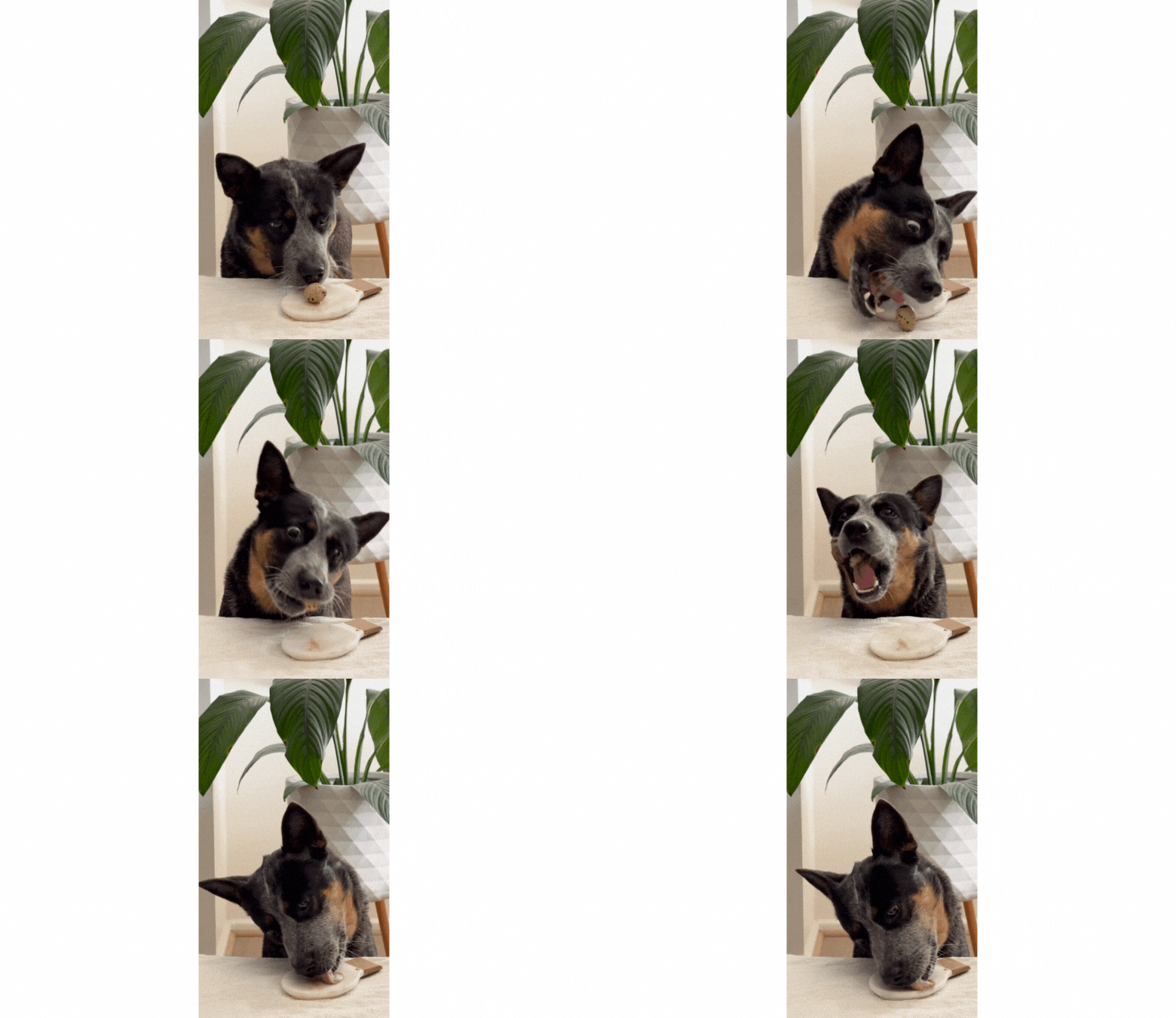
Quail eggs can be fed whole (including the shell) for calcium and dental stimulation. Alternatively, they can be cracked and mixed into meals for pets that prefer softer textures.
Adjust quantity by size and need
Due to their small size, quail eggs are easy to portion. One to two eggs per day may suit small dogs or cats, while larger pets may benefit from three to four, depending on overall diet composition.
Rotate with other enrichment items
Quail eggs work well in rotation with other whole foods like sardines, green tripe, or raw goat milk. This supports feeding diversity and micronutrient balance.
Monitor for tolerance
While generally well tolerated, some pets may experience loose stools if introduced too quickly or fed in excess. Introduce gradually and observe stool quality.
Ideal Applications
-
Dietary enrichment and variety
-
Micronutrient support for active or recovering pets
-
Gentle protein boost for sensitive stomachs
-
Training treats or toppers for picky eaters
Final Thoughts
Quail eggs offer a compact, nutrient-rich addition to raw feeding plans. Their digestibility, vitamin profile and whole-prey compatibility make them especially valuable for pets needing dietary enrichment, micronutrient support, or gentle supplementation. When used thoughtfully within a balanced rotation, quail eggs contribute to vitality, resilience, and feeding enjoyment.

